

Somehow, I had a discussion with a senior friend sometime during the month about another person (named X) whom we both know, who is struggling with a few things. During our conversation, the senior friend remarked, “X is good at starting things but has trouble finishing.” This statement got me thinking. I started reflecting on some new tasks, skills, and ideas I initially embraced with excitement but ultimately abandoned. Why did I abandon those endeavors? Some were due to a lack of motivation to continue or better priorities to focus on, while others were due to laziness and distraction.
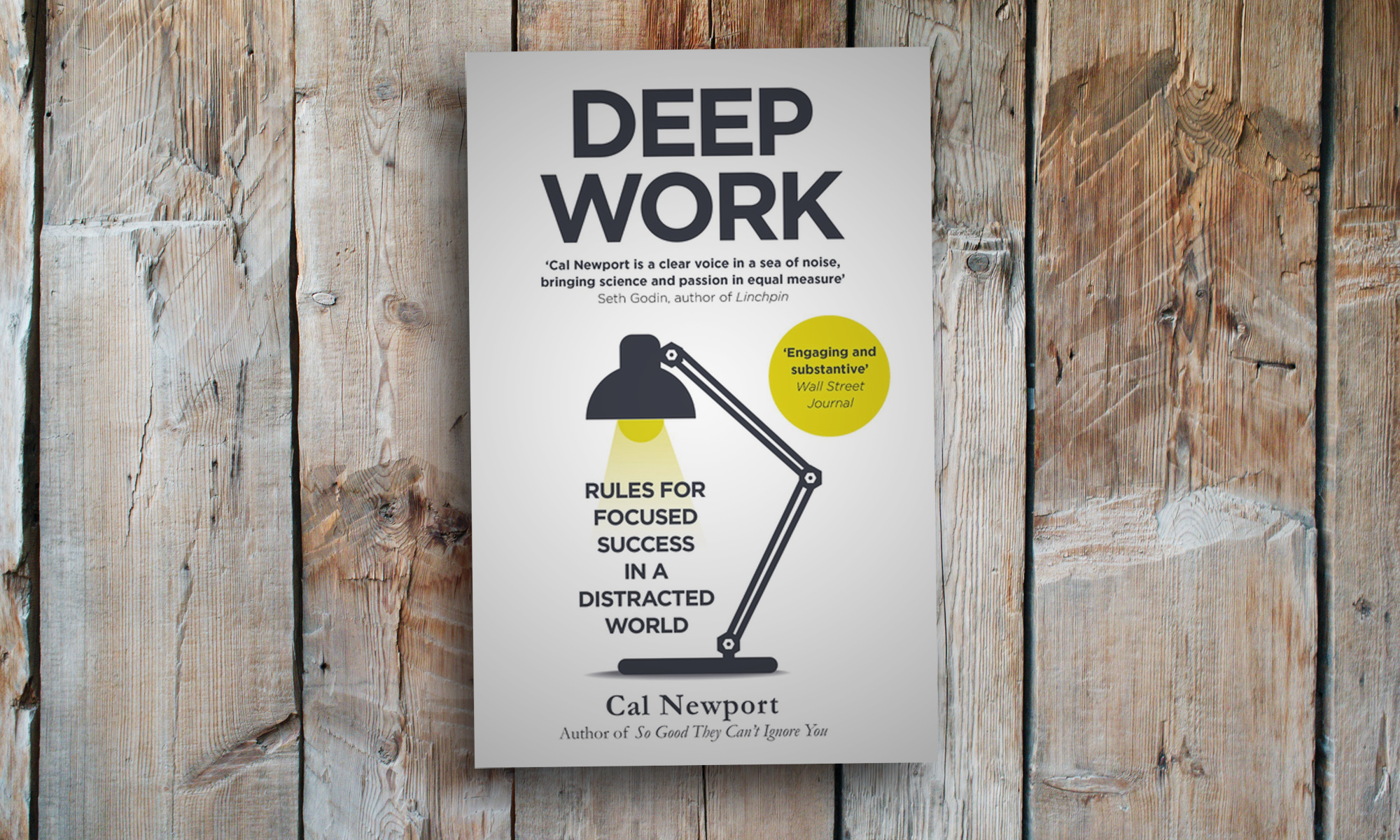
I read an insightful book this month, and I will be reviewing it in this note as it pertains to the aforementioned conversation. Are you a good finisher? Do you know how to engage deeply in your work? What are the secrets to productivity in our current times? I think we can find answers to these important questions in the book titled “Deep Work” by Cal Newport. What is deep work? “It refers to any professional activity performed in a state of distraction-free concentration that pushes your cognitive capabilities to their limit. These efforts create new value, improve your skills, and are hard to replicate.” If you are a researcher or professional in any field, you need to engage in deep work.
Here are some of the lessons from the book:
A. Be Selective About What You Do
In this digital age, there are countless things we could focus on. For instance, if you want to become a programmer, you have many options: taking an online course, following certain websites, or attending boot camps. However, it’s impossible to become exceptionally good as a programmer without dedicating long hours to mastering the syntax and semantics of various codes. Imagine writing lines of code every day—that is deep work! The way to engage in such deep work is to stay focused by limiting your commitments. Focus comes from being selective about what you do—i.e., focusing on what is important to you. Do you just do things as they come? Do you say “YES” to every invitation? You can’t do everything, and when you attempt to do too many things, you end up undertaking shallow and less rewarding work. Be selective! Focus on doing a few crucial things—this is one of the secrets to becoming a star in your field.
B. Know How to Shut Down Distractions
Can you go a day without checking Facebook, Twitter, WhatsApp, LinkedIn, Instagram, TikTok, and others? Perhaps you don’t usually post, but you like, share, tweet, and follow many threads. On social media, you will find a lot of content—some of which may not be entirely true. Much online content is designed to stir emotions and drain energy. Cal Newport talks about having a “social media sabbath” to free yourself from distractions, thereby improving your attention and mental focus. The goal is not to eliminate social media but to minimize its use. Cal suggests replacements for internet-based entertainment, such as learning a sport, a musical instrument, gathering with friends and family, reading books, gardening, or cooking. These activities are high-quality forms of leisure and serve as better alternatives to low-quality internet content. Besides social media, other distractions include emails, working in open offices, and administrative tasks. You must learn to manage or shut down the distractions around you.
C. Build a Structure or Routine That Supports Deep Work
Do you have a structure or routine you follow every day? You can schedule your day methodically to design times for deep and shallow work. Itemize your tasks and organize them based on urgency and the level of attention required. You don’t have to respond to all emails immediately. You might make your phone inaccessible for a few hours during the day, especially if you frequently receive calls. You can block certain websites, like YouTube, on your office computer. If you work in a highly distracting environment, consider establishing a routine of rising early to engage in deep work before heading to the office. Part of building a supportive structure is finding spots where your creative intelligence is enhanced, allowing you to tap into an infinite source of intelligence. Additionally, you can’t work 24/7; structure your downtime as well. A good rest period relaxes your brain and enhances your ability to engage in deep work. The need for a structure that supports deep work cannot be overemphasized. For example, Bill Gates is known for spending two weeks alone twice a year while he was the CEO of Microsoft to think about the company’s future direction.
Conclusion
Deliberately master how to maximize your attention to achieve your work goals. Public recognition often comes from what people do in private. Become adept at finishing highly rewarding activities. Shut down all distractions, build in the dark, and announce yourself only when you are done.
I hope you have found some valuable lessons in this read. Follow me for more stories, book reviews, and interesting content on personal development.
I am Samuel Ayankoso (the Quester)



Good
Alright, just checked out go888slot. Looks like a decent place to spin some reels! Hopefully lady luck is on my side tonight! Check it out at: go888slot
New8888vip claims to be the place to be for VIP players. I’m intrigued… Time to see if it lives up to the hype i guess. Check it out at: new8888vip
Anyone ever placed bets on new88betlive? I’m looking for a new bookie, and their odds look pretty good. Check them out here: new88betlive