
Hi there, I hope you are having a refreshing summer. We are in an era of drastic change. Heat waves are sweeping across Italy, Spain, and other parts of Europe. In fact, a record-breaking temperature was recently experienced in the UK. This came as a shock to many people as we are also faced with rising global inflation, food shortages, a COVID-19 spike, a monkeypox outbreak, and other challenges.
While the aforementioned changes may seem negative or hostile, there are also positive changes we can pinpoint. These include new technologies, music, jobs, mobile applications, social media features, new business methods, new dance styles, new governance approaches, new sleeping techniques, new building designs, new food recipes, etc. Clearly, change is happening all the time and everywhere, and it can be positive or negative. Both positive and negative changes affect us. Some changes are beyond our control (i.e., they are unpredictable), while our actions can influence others.
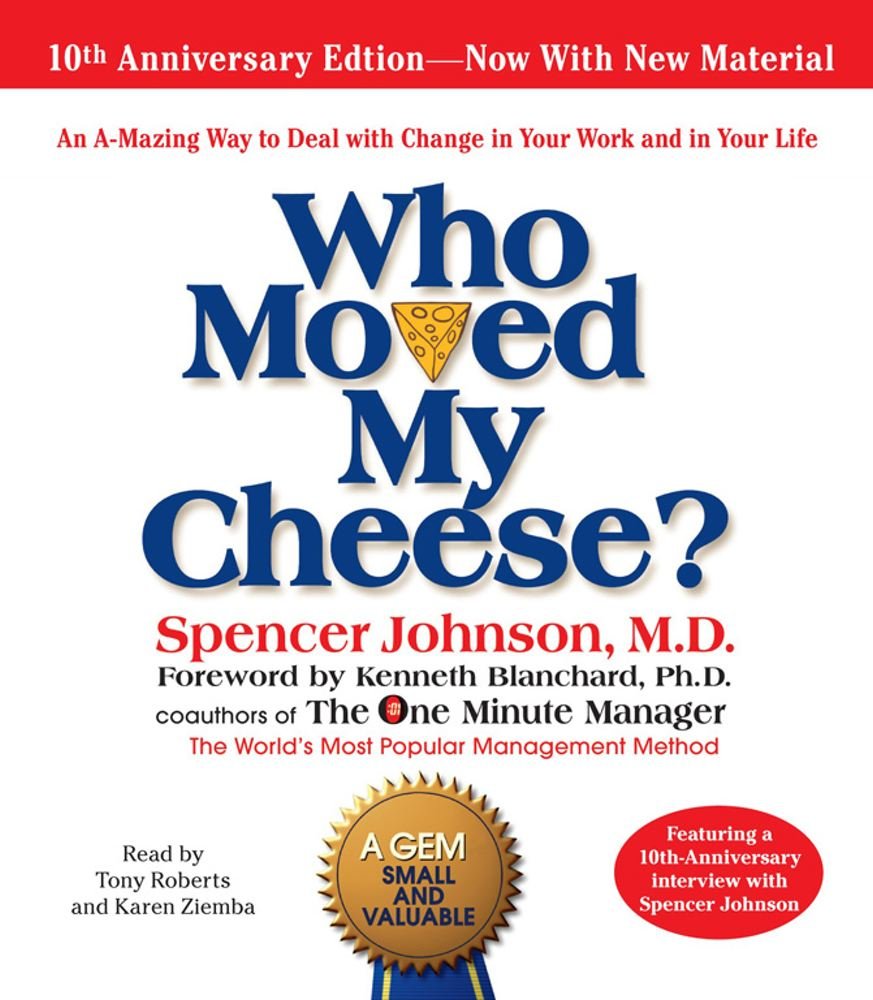
This leads me to the big question: How can we deal with change? Are we supposed to manage it or lead it? Should we resist it or embrace it? I will share some vital lessons I picked up from a classic book about change titled “Who Moved My Cheese” by Spencer Johnson. There are four characters in the book: Sniff, Scurry, Hem, and Haw; I will refer to them in my points.
1. Anticipate Change
One of the best ways to deal with change is to anticipate it. If change is inevitable, we need to prepare for it. How do we prepare? First, we need to like the idea of change. Then, we should expect and monitor the changes happening in our environment. Lastly, we must quickly admit and embrace changes when they occur. The true measure of our level of anticipation is our sensitivity to changes around us. In the book, Hem and Haw were so relaxed after they found cheese at Station C that they didn’t notice the cheese was reducing in size until they woke up one day and realized it was all gone. On the other hand, Sniff and Scurry didn’t begin to complain when the cheese at Station C finished—they quickly went searching for new cheese.
2. Act Without Fear
People try to resist change because of fear. A major question raised in the book is: “What would you do if you were not afraid?” This question touched me deeply because there are things I would have done if I weren’t afraid. What new adventures would you have embarked upon if there was no fear? We all have fears, but sometimes it’s good to pretend they don’t exist. Be happy to explore unknown opportunities. Laugh about your fears—this provides some relief! Additionally, be ready to make mistakes. This attitude puts you at the forefront of change. Haw was able to explore new parts of the maze and later found a station with better cheese when he changed his attitude. He said, “When you stop being afraid, you feel good!”
3. Be an Ambassador of Change
It’s a popular cliché to be a lifelong learner. But that’s not enough—you also need to be a change ambassador. A change ambassador understands the fundamentals of change through firsthand experience and is willing to show others the path to positive change. Change ambassadors also initiate change in whatever way they can, whether in an organization, their neighborhood, or at home. They are quick to learn from change and promote it in all that they do. Haw became a change ambassador after he realized the mistake he and Hem made. So, he decided to write some things on the wall of the maze, which he felt might help Hem on his own journey to change.
Conclusion
Frankly, changes shift us from our point of equilibrium to regions where we don’t feel safe. But change is the key to our progress and brings many other rewards like happiness. There is no better conclusion than the following: Change happens. Anticipate change, monitor change, adapt to change quickly, and enjoy it.
I hope you have found some valuable lessons in this read. Follow me for more stories, book reviews, and interesting content on personal development.
I am Samuel Ayankoso (the Quester)