


Drum roll…I join billions around the world in celebrating the end of another year.
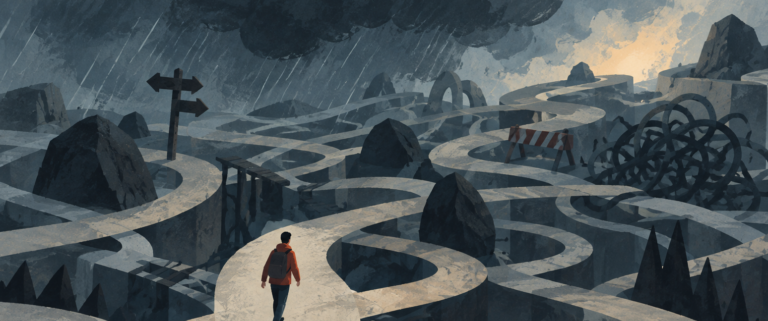
To be honest, the journey of 365 days is never an easy one, and I know each of us has unique experiences to share. Personally, I have learned from different people and situations. Some experiences were so good that I wish I had them earlier, while others left me sad, angry, unfortunate, and emotionally drained.
The first kind of experiences bring joy, peace, respect, and promotion — and naturally, everyone wishes to relive those again and again. However, the second kind often causes temporary pain, and no one in their right mind would want those repeated.
A profound aspect for me during tough times is the lesson that follows. There’s little to learn when you succeed on your first try, but you can discover how not to fail after failing a few times. Unpleasant experiences carry hidden jewels (what I call wisdom packs) if we look beyond the negatives and personal feelings. So, as we wrap up the year, I’d like to share some of my humbling experiences and the lessons they taught me.
1. Opportunities Are Rare — Prepare and Position for Them
At the start of the year, I realised I’d missed a teaching opportunity in Huddersfield. Soon after, I discovered a similar one in Leeds. I applied, and long story short, I got the job. Reflecting on the process, I realised I had indirectly positioned myself for the opportunity through my volunteer teaching at a non-profit organisation and my university, even while being underpaid.
Opportunities abound, but the ones meant for you are rare and often come unannounced. You must be prepared and positioned for them. Think of opportunities as buses — when you miss one, you wait for the next. The waiting period is your chance to search, prepare, and stay alert for the next custom-made opportunity (the bus to your destination). If you don’t recognise and act fast, the opportunity will move to someone else.
“Opportunities are rare in this life, and fairness, rarer still. So when you discover a fair opportunity, pursue it as if it were your last, because it very well might be.”— Joel T. McGrath
2. Zero In — Consistency and Perseverance Are Key
In the last quarter, I focused intently on writing my PhD and trying to achieve meaningful results. At one point, I got stuck training a neural network model — it was taking far too long to run. I insisted the network would work as intended. After hours of debugging with no success, I noticed I had overlooked a small parameter. To my surprise, that one setting caused the delay.
This reminded me of the power of focus, that is taking consistent, deliberate baby steps while staying determined, even during setbacks. Face the mountain. Sometimes, there are mechanisms to reach the other side quickly, but you’ll only find them if you stay, persevere, and keep trying.
“Great things come from hard work, consistency, and perseverance over time. No excuses.”— Kobe Bryant
3. People Are Difficult to Change
People don’t change easily — I cannot change them. All I can do is advise, encourage, and guide. It’s their choice whether to accept my suggestions or not. Even in myself, I’ve noticed habits I wish could change faster, yet transformation often takes time. Humans naturally resist change.
Change is possible, but usually slow. Understanding this helps us deal with others wisely. As a teacher, I can’t force students to learn difficult concepts — I can only guide, explain, and inspire, but they must choose to engage. The same goes for relationships or even family. Changing deeply held beliefs takes patience, discussion, and love.
“Those who cannot change their minds cannot change anything”— George Bernard Shaw
4. People Are Complex
We meet different people daily, and it takes emotional intelligence to interact without offence or frustration. People are unpredictable: just when you think you know someone, they may behave in ways that surprise or disappoint you.
Everyone has bright and dark sides. Sometimes, when people switch roles, we’re left confused or hurt. This year, I experienced moments that made me question whether I deserved certain treatment. Human complexity explains why allies may fail you, your trust may be broken, and misunderstandings can arise. Managing such situations requires maturity: knowing when to be compassionate, when to endure, and when to keep your distance for peace’s sake.
“People are more complicated than the masks they wear in society.”— Robert Greene
5. Learning Is Continuous
It doesn’t matter if you have a PhD or are 100 years old — if you’re not humble enough to reflect and learn from mistakes, growth stops. Maturity means seeing beyond failure and disappointment. Some people get lost in regret or complaints instead of reflecting and drawing lessons.
For instance, I once boarded the wrong train but I learned to check the display screens carefully next time. You’re never too wise to make mistakes, even in small things.
Learning happens firsthand or through others. One advantage of reading good books is gaining from others’ experiences. Similarly, surrounding yourself with wise people enriches your own insight. When I’m with senior colleagues, I prefer listening attentively. Thanks to that, there are mistakes I’ll never repeat—not because I’ve made them before, but because I’ve learned from others who have.
“There is no end to education. Life, from birth to death, is a process of learning.”— Jiddu Krishnamurti
6. Time Is Enough — Focus on Time Value
Many say, “I don’t have time.” I used to say the same until, during a chat, I told a friend: “I have enough time; my problem is the kind of result I’m getting from it.”
We all have the same 24 hours. What matters is not time management alone but the value of the outcomes we create within that time. In the UK, some earn minimum wage per hour, while others make ten times more—the difference often lies in the value their time produces.
“It’s not enough to be busy; so are the ants. The question is, what are we busy about?”— Henry David Thoreau
7. Guard Your Energy
Guard the state of your mind—it influences your mood and energy l popevels. Your energy directly affects performance. Negative energy leads to poor results. Maintaining high energy requires a sound mind, good diet, proper sleep, and filtering what you consume mentally. There are some things I couldn’t do this year because I lacked the energy required (not due to time limitations).
I’ve learned that success often depends on maintaining positive energy. Everything you desire vibrates at a certain frequency—you need to tune yourself to it. That means approaching goals, like finding jobs or scholarships, with the right mindset and energy.
“Everything is energy, and that’s all there is to it. Match the frequency of the reality you want, and you cannot help but get that reality.” — Albert Einstein
8. There Is Hope for the Future
This is not your end; your story is still unfolding. Don’t give up, even when repeated efforts bring no results. I had goals I couldn’t meet this year, but I hold on to hope as the new year approaches. The show is not over yet.
I remember that I missed a bursary opportunity last year because it was discontinued just as I applied. I was disheartened after all my effort. But in the middle of this year, it reopened and I got it. It turns out that I got opportunity at the perfect time. Don’t compare your journey with others’. Your season will come; stay hopeful and ready.
“Hope is important because it can make the present moment less difficult to bear. If we believe that tomorrow will be better, we can bear hardship today.”— Thich Nhat Hanh
9. Care About Your Health
You need energy and good health to pursue success. Never sacrifice your health along the way. I had surgery this December, and while the anesthesia made the process painless, I felt discomfort afterward. Thankfully, it went smoothly but the experience reminded me how precious good health is.
Preventing illness is better than managing it, especially considering the high cost of healthcare. There are many things you can do to stay healthy. For example, lately, I usually eat twice in a day and avoid junk food (thanks to my wife). A healthy you is essential for achieving your dreams.
“Keep your vitality. A life without health is like a river without water.” — Maxime Lagacé
10. Spirituality
Spirituality is essential for navigating a world that can be unfair and harsh. There’s a difference between being religious and being spiritual — religion can be superficial, but spirituality connects you to the divine.
A few months ago, I incurred a loss because I ignored my inner voice. Sometimes, intuition, dreams, or quiet inner whispers can reveal what’s ahead. Spirituality brings clarity — it’s the light that guides your unique path.
Spirituality also means recognising divine intelligence in nature. When you observe the sun, moon, and mountains, do you pause in awe? To be a co-creator with God, you must love and understand nature.
“Spirituality is to be awake, to drop your illusions. It is to discover the diamond mines within you. Religion is meant to lead you there, though often it doesn’t.” — Anthony de Mello
Conclusion
As we end this year and step into the next, life will continue to bring both rough and beautiful experiences. I wish I could promise only good ones, but that would be untrue. What truly matters is how you choose to respond.
When life knocks you down, cry if you must, but rise and reflect. Every experience — pleasant or painful — carries a lesson for growth, resilience, and wisdom.
Thank you for reading. Don’t forget to drop your comment below.
I am Samuel Ayankoso, a mere quester with some ink to write.





Firstly, I want to congratulate you on getting a teaching job at Leeds. May God make it a successful engagement.
My favourite part has to be preparing for opportunities and actively pursuing them; it’s not enough to just be ready. As for dealing with people, these days I simply look for genuineness, having accepted that good people can sometimes act badly. I also remind myself that I may be the villain in someone else’s story too, unintentionally, of course.
Thank you for sharing your lessons.
The VIP perks are a game changer. It makes playing feel much more rewarding and exclusive. vipjililogin
Really impressed with the interface here. Everything loads fast and the experience is super smooth. Definitely my new go-to spot. Check out y7777status for more info.
Honestly one of the most entertaining platforms I have tried lately. The game variety is impressive and the interface is very user friendly. Highly recommend you777game to everyone.