


Hi there,
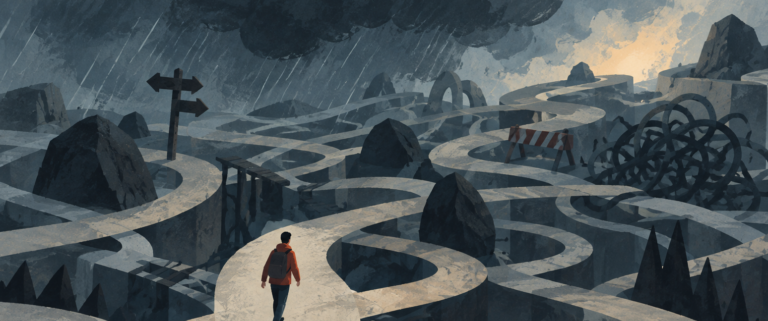
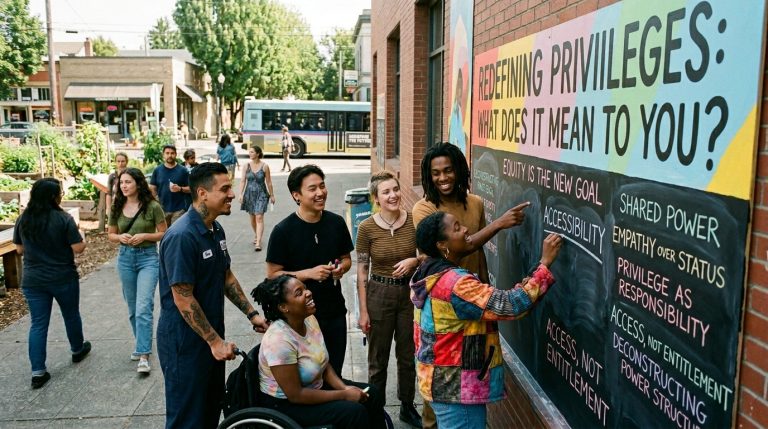
How has your month been? During the course of the month, I had some unforeseen experiences that got me thinking. Here is my thought: so many times we go through life, facing different situations and challenges, and it is crucial to recognize the uniqueness of our life experiences and learn from them. Experiences bring increased knowledge, improved confidence, good decision-making, and enhanced adaptability and creativity. Indeed, time, purpose, and several other factors play a significant role in the formation of our experiences. One of the many reasons I respect older people is the fact they have gone ahead of me in time to see different things. However, I understand that some young people may have richer experiences in certain areas too. In short, respect the unique knowledge and wisdom resident in different individuals you encounter daily.
Experience is not just the best teacher; it is highly costly. Sometimes, you can’t afford it, even with the best intentions. There are some experiences you wouldn’t wish for your enemies. These days, we are advised to read books—and I don’t discount the power of such an act—the lessons you pick from reading those books can’t be compared with what the storyteller knows and has gone through. The book I picked this month is titled “The Happiest Man on Earth.” The book is about the Holocaust. If I had written this book, perhaps I would have given it a different title. But I think what the writer was trying to convey is that regardless of the experiences we have (both good and bad), when they are all summed up and looked at in retrospect, it should make us happy. Eddie Jaku’s story is very touching and offers a sober reflection on the Second World War in Germany and some other parts of Europe. His account is different from that of another book titled “Man’s Search for Meaning” by Viktor E. Frankl, but I found some similarities in the events they witnessed and how they survived. The book provides details of Eddie’s early years as a Jew growing up in Germany, forging his identity to attend engineering school and graduating as one of the best, the advent of the war, his experiences at different concentration camps, and life after the war. Here are the lessons I learned from the book:
1. Cherish Your Family (You Need Them)
We are emotional beings. We want to be loved and also want those we love to be around us. As described by Eddie, having your family around during war means a lot—it gives you hope that you haven’t lost everything. Eddie quickly recalled his father’s words: “Your family is a precious gift,” immediately when he found himself at his first concentration camp. Luckily for Eddie, Kurt appeared each time he thought he had lost everything. Kurt was a friend who turned into family and offered great support to Eddie at the concentration camp. After the war, Eddie and Kurt reconnected by chance and stayed together, but they separated after each of them got married. Eddie was fortunate to find an understanding woman. Eddie admitted his wife, children, and the people he loved dearly gave him a reason to live after the war. For instance, Eddie said he couldn’t express the joy and happiness that filled his heart after the arrival of their first child.
2. Have Hope in Humans
The way Eddie described the cruelty of the Nazis was highly appalling—so horrific and unimaginable. At first, he couldn’t believe the hatred and resentment the Jews got from the so-called Nazis. They were kicked around at the concentration camp, denied good and sufficient food, packed in crowded warehouses to sleep, not provided proper clothing, and forced to work in harsh conditions. Eddie also mentioned how a Jewish person worked with Nazis to recommend who should be sent to the gas chamber for burning, and the same person reported things he shouldn’t have. Besides, there were Jews who didn’t mind stealing the small portion of a meal belonging to another after having theirs. All this did not stop Eddie from having hope in humanity. In fact, Kurt was a beacon of hope to Eddie when life was so unbearable at the camp. The book emphasizes the importance of being kind to people because we may be that ray of hope for them in dark times.
3. Acquire Knowledge and Skills
Eddie narrated different instances where the precision and mechanical engineering skills his father told him to learn saved him from being sent to the gas chamber. This was because the Nazis had the profile of each prisoner in the camp and knew he was a great asset to the war supply factories. The knowledge of engineering allowed Eddie to escape death at different instances. As described by Eddie, no knowledge is wasted during war. I remembered he mentioned how a tailor’s skill among them was useful (he sewed a blanket from their clothes to reduce the effect of harsh snowy conditions) when they were being transported via train back to Germany from Auschwitz in Poland. Even after the war, Eddie’s skills quickly got him a job in Belgium, and when he relocated to Australia, he was able to find a job befitting his skills before going into different businesses.
4. You Still Have a Choice
Even in the worst and unintended circumstances of life, you still have a choice. You are always choosing! As described in the book, the only freedom partially given to you is to fight for your life. You have to fight for food, your remaining dignity, and hope. Eddie survived living in four concentration camps because he chose to live no matter what. I remember how he narrated his decision to go back to the camp when he was shot by a Polish man he had sought help from after escaping through a plan made by the man supplying food to the camp. Again, he found a way for the bullets to be removed without the guards finding out, aided by a prisoner who was a doctor by profession. Eddie endured several physical abuses and inhumane conditions, so when the war was over, he had to deal with the traumas and hatred in his heart. This man and his friend chose to start life over again while also giving support to some Jews struggling after the war. Later, he got married, had kids, relocated to Australia, ventured into different businesses, and died at 101 years.
Conclusion
The way Eddie Jaku described his experiences was terrifying. At some point while listening to this book, I wondered if I would survive if a war broke out and Africans were targeted like the Jews were. Well, we are not at war and do not pray for a third world war or ethnic cleansing as narrated in the book. However, as I reflect on the experience of Eddie, I see fighting (internal and external battles) as a necessary human experience.
My friend, your experiences are golden and unique, and they are not necessarily the best or worst. I know some of those experiences hurt, but they are yours. You may have made a huge mistake about something or have fallen victim to a bad circumstance, but don’t be too bitter about these things. You need to move on. You need to embrace positivity and hope, knowing that your life story will be one with a happy ending if you don’t give up.
Thanks for reading. I hope you enjoyed this note. Don’t forget to drop your comment.
I am Samuel Ayankoso, The Quester.
Excerpts from the book
- “There are many things in this world that no amount of money will buy you, and some things priceless beyond measure. Family first, family second, and family at the last.”
- “Happiness does not fall from the sky; it is in your hands. Happiness comes from inside yourself and from the people you love. And if you are healthy and happy, you are a millionaire.”
- “If you are lucky enough to have money and a nice house, you can afford to help those who don’t. This is what life is all about, to share your good fortune.”
- “There are always miracles in the world, even if it seems dark.”




Good
Some things cannot be taught; they must be experienced. You never learn the most valuable lessons in life until you go through your own journey.
Roy T. Bennett
Thank you for sharing. I’ve also come to realize that what truly matters is how we shape our experiences and what we learn from them.
Thank you for sharing. I’ve also come to realize that what truly matters is how we shape our experiences and what we learn from them.
Nice note. Thanks for sharing.
The vibe here is just like being at a real casino in Manila. Everything is top notch and the game selection is massive. Always a pleasure visiting okadamanilacasino.
The vibe here is just like being at a real casino in Manila. Everything is top notch and the game selection is massive. Always a pleasure visiting okadamanilacasino.
[3238]MxFun Casino México: Registro, Login, APK y Bono de Bienvenida,¡Únete a MxFun Casino México! Regístrate hoy, accede a tu login y descarga la APK para disfrutar de los mejores juegos y apuestas. Aprovecha nuestro bono de bienvenida exclusivo y vive la emoción del casino online. visit: mxfun
[990]grandevegascasino লগইন এবং বিকাশ দিয়ে অনলাইন স্লটস গেম,grandevegascasino login করুন এবং সেরা অনলাইন slots গেম উপভোগ করুন। বিকাশ দিয়ে অনলাইন casino পেমেন্ট ও app download করে আজই শুরু করুন। visit: grandevegascasino
[4447]xsmax3d | Link vào tải app và hướng dẫn chơi nổ hũ baccarat,Truy cập xsmax3d để nhận link vào mới nhất, tải app tiện lợi. Tìm hiểu cách chơi baccarat online và mẹo quay hũ nổ hũ hiệu quả. Đăng ký tham gia ngay hôm nay! visit: xsmax3d
This place has a great vibe and the bonuses for new members are actually generous. I am having a blast so far. Visit bdxxx999 for more details.
[1087]Fortunes login ph – Legit slots at mabilis na withdraw,Gamitin ang fortunes login ph para sa legit slots gcash deposit. Alamin din kung paano maglaro ng baccarat at i-download ang app para mabilis na manalo. visit: fortunes
[1161]Toto868: Login Daftar Akun dan Situs Slot Deposit Dana,toto868 menyediakan akses login mudah dan daftar toto868 apk untuk judi casino live streaming serta cara main roulette online. Yuk, gabung sekarang juga! visit: toto868